Commercial hygiene experts located in Brampton ensure food service establishments, food distribution facilities, bakeries, warehouses, and mobile food units to sanitation standards. They disinfect high-touch surfaces, food-contact areas, equipment, floors, drains, restrooms, and food handling areas using approved sanitizers, in correct dilution, and using documented contact periods.
Main Points
- Brampton's food safety cleaning professionals maintain restaurants, grocery departments, commissaries, warehouses, bakeries, schools, mobile vendors, and allergen-sensitive operations.
- They sanitize frequently contacted areas, food-contact equipment, kitchens, floors, drains, restrooms, and storage areas using area-specific procedures to avoid cross-contamination.
- Approved contractors validate proper chemical concentration, suitability, and exposure duration, then document conclusion with swabs, reviews, and correction logs.
- Everyday, weekly, and periodic tasks allocated by section constitute sanitation timelines grounded on threat, production volume, changeovers, accidents, and guidelines.
- Select suppliers with HACCP, public-health, knowledge, WHMIS, instruction, insurance, credentials, colour-coded instruments, and assessment-ready sanitation documentation.
Brampton Venues That Need Food Safety Cleaning: Which Ones?
Food safety cleaning is required for any Brampton facility that processes, stores, prepares, packages, or serves food. Apply it to your establishment if it practical advice comes under health inspections, food codes, or HACCP requirements. This includes food service venues, employee dining, supply facilities, retail sections, butcheries, seafood counters, retail shops, and facility kitchens.
Proper sanitation protocols is furthermore needed in distribution centers, processing facilities, refrigerated storage, commercial bakeries, school meal programs, event venues, and delivery services. Temporary and mobile businesses matter too, examples including catering trucks, festival vendors, and pop-up food booths. Your facility needs recorded sanitation procedures if your workers handle raw materials, divide prepared foods, warm meals, or maintain allergen storage. In Brampton, cleanliness stays optional; it forms statutory, functional, and public health standards.
What Do Brampton Cleaning Experts Clean?
Professional cleaning services specializing in Brampton sanitize touched surfaces, food preparation areas, ground surfaces, and sanitary facilities in compliance with food safety regulations. Emphasis on these spaces occurs because they pose maximum contamination danger, potential for accidents, and compliance issues.
If you comprehend their cleaning services, you'll be able to confirm your operation satisfies all operational and regulatory compliance needs.
High-Touch Surface Sanitizing
arrange disinfection intervals based on activity levels, infection risk, and how the space is used.
check that sterilization has proper
Food Prep Areas, Flooring, and Sanitary Facilities
Brampton cleaning professionals will handle kitchens, floors, and restrooms since each space presents separate food safety concerns, injury, and public health challenges. In industrial kitchens, you need degreasing on cook lines, equipment exteriors, drains, prep surfaces, and splash zones to minimize bacterial growth and pest activity.
Professional floor upkeep with documentation is also included. is also provided as part of the service.
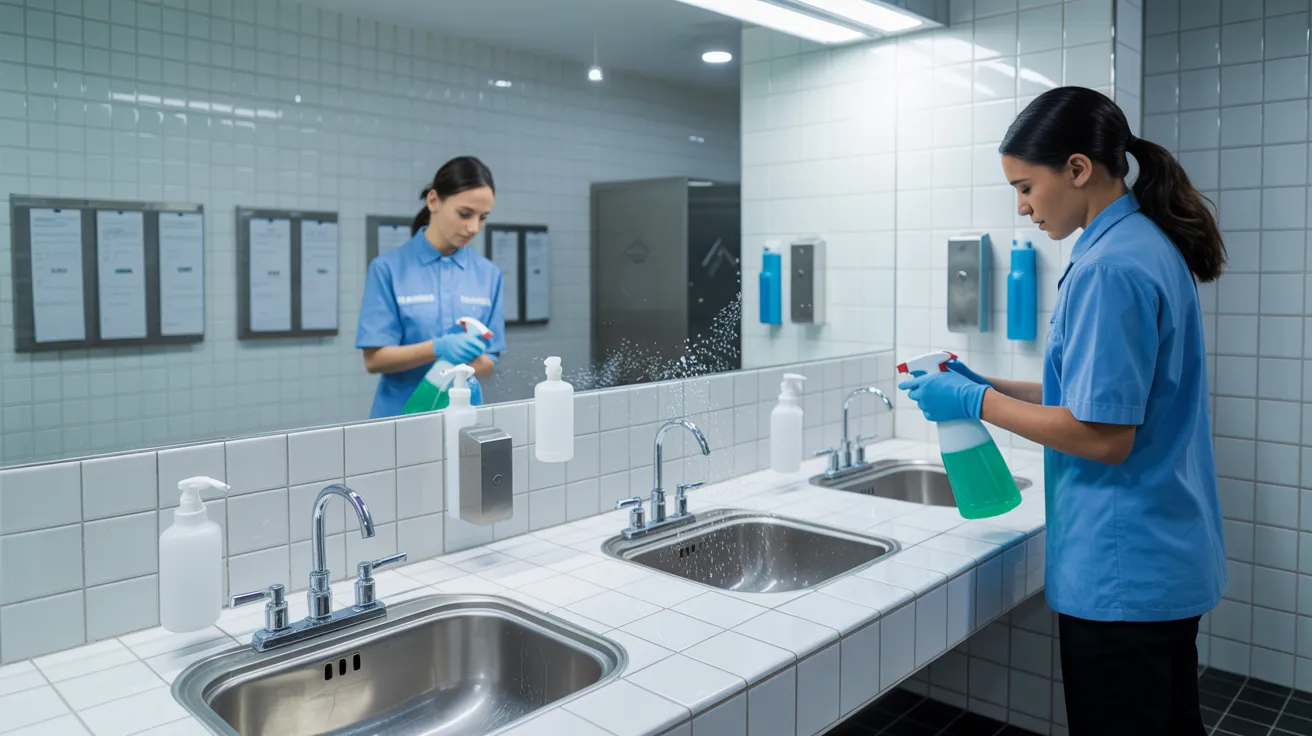
Restroom sanitation involves sanitizing touchpoints, fixtures, partitions, dispensers, and waste containers, replenishing amenities and managing odor. They also service restaurant moprooms, where chemical storage, sink hygiene, and drainage conditions can affect sanitation compliance and staff safety daily.
Why Food Safety Cleaning Matters in Brampton
Brampton operations require food-safe cleaning standards to meet compliance obligations and pass inspections. You also reduce bacterial spread through proper cleaning of food-preparation surfaces, appliances, and frequently-touched items. Most importantly, you help protect public health by lowering the risk of foodborne illness in your facility.
Sanitary Standards Adherence
Food establishments in Brampton face rigorous sanitary regulations, making food safety cleaning critical to fulfilling health code requirements, safeguarding patrons, and eliminating enforcement action. You must maintain sanitary food-contact surfaces, verifiable cleaning logs, correct sanitizer application, and auditable operational standards that correspond to municipal and provincial inspection expectations.
Robust cleaning systems supports allergen control by decreasing residue on shared equipment and frequently touched surfaces.
Cross-Contamination Avoidance
Maintaining regulatory compliance copyrights on your power to stop cross-contamination during everyday food preparation and sanitation. You need to partition uncooked items from finished dishes, sterilize work zones between assignments, and position cleaning agents away from food surfaces. Explicit protocols lower contamination threats and support consistent compliance during inspections.
Implementing allergen separation helps ensure major allergens don't touch shared surfaces, containers, or equipment. Utilize separate boards, color-labeled items, and clear tool marking so staff don't mix items during preparation or service. Enforce hand hygiene following raw meat, seafood, eggs, or allergen-containing products. Replace wiping cloths regularly, and verify sanitizer strength with test strips. When you train staff to follow these controls per shift, you create a cleaner, safer operation that satisfies Brampton's food safety needs regularly.
Public Health Protection
Should food safety cleaning collapse, you don't simply encounter inspection problems—you increase the potential of contamination-related sickness impacting customers, staff, and the wider Brampton population. You also undermine your responsibility in safeguarding community wellness, especially in busy food facilities where pathogens travel quickly through surfaces, equipment, and touchpoints.
You must establish cleaning procedures that remove contaminants, disinfect correctly, and verify outcomes. This involves adhering to exposure times, utilizing approved disinfectants, logging schedules, and training employees to meet health-unit expectations. These controls promote pathogen reduction by decreasing microbes before contaminating food or surfaces. Across Brampton, strong cleaning safeguards vulnerable groups, limits outbreak risk, and shows your diligence. When you maintain proper protocols, you exceed regulations—you meaningfully reduce risk and facilitate secure food handling throughout the area.
Why Is Cleaning Essential for Food Safety Compliance?
Comprehensive cleaning schedules promote food safety compliance by decreasing contamination threats, managing pathogen expansion, and maintaining your facility's adherence to sanitation requirements under HACCP-based programs and public health regulations. You verify that product-contact areas stay visibly clean and microbiologically controlled, enabling documented preventive controls and inspection readiness.
Cleaning programs additionally bolster allergen control by removing residues that can lead to undeclared allergen exposure.
How Ought You Schedule Commercial Cleaning Work?
maintenance activities.
facility shutdowns, seasonal-related soil accumulation, or pest-related management windows.
How Do You Choose Brampton Cleaning Experts?
Start by screening providers against food sanitation standards, not price alone. You should verify that each company understands CFIA, public health, and HACCP compliance standards relevant to your facility. Ask for insurance documentation, WHMIS compliance, documented staff training, and supervision practices. Review whether technicians understand contamination prevention, chemical handling, and traceable sanitation records.
You must also evaluate business consistency and oversight. Seek references from Brampton food companies, then assess response times, corrective processes, and communication standards. Ensure the company enables supplier checks and can provide inspection-compliant records when authorities or third parties demand verification. Verify equipment is maintained, color-coded items are deployed correctly, and operational-specific risks are understood. A reputable service protects compliance, product safety, and your market standing.
What aspects should a sanitation plan contain?
Create a documented strategy that clearly outlines every sanitation task, standard, and responsibility before production starts. You should list cleaning frequencies, approved chemicals, dilution rates, contact times, tools, and verification methods for each zone, surface, and piece of equipment. Be sure to include pre-operational inspections, corrective actions, and employee training requirements.
Your program should also address contamination prevention, garbage management, pest control procedures, and recorded timelines for bathrooms, drainage systems, surfaces, and food-preparation zones. Explain how you'll separate raw and ready-to-eat processes, enable ingredient tracking, and maintain accurate allergen labeling through validated cleaning between product changes. You should assign accountability, keep signed records, and review results against regulatory standards, HACCP controls, and customer requirements. When gaps appear, update procedures immediately and re-educate staff.
Commonly Requested Questions
Will cleaning services handle nighttime hours at Brampton facilities?
Yes, you can book sanitation coverage to accommodate nighttime operations in Brampton facilities. You'll organize overnight sanitation around operational windows, access requirements, and staffing levels. Providers generally create nighttime procedures to minimize disruption, stay compliant, and track completed work. You should confirm arrival schedules, supervision, access procedures, and waste management before starting service.
Are emergency spill response services provided from Brampton cleaning experts?
Yes, you can locate several Brampton cleaning professionals offering emergency response services. They handle contamination, assess dangers, isolate zones, and perform swift decontamination to minimize risk and prevent disruption. You should confirm timeframes, certifications, safety measures, and disposal methods. If your facility must meet standards, pick a provider that documents incidents, maintains standards, and ensures verification.
Will plant-based disinfectants clean safely food-contact surfaces?
Absolutely, eco-friendly disinfectants can be secure for food preparation areas when you select solutions certified for food use and satisfying regulatory requirements. You must check exposure duration, dilution rates, and rinse protocols prior to application. Plant based formulas reduce chemical hazards, though you should gather demonstration of efficacy against target microorganisms. For maintaining residue free surfaces, follow manufacturer directions precisely and verify your cleaning agent satisfies applicable food industry sanitation standards.
Do cleaning schedules allow for seasonal variations?
Without question, cleaning schedules adapt well for seasonal shifts. Modify timing, staffing, sanitizers, and confirmation procedures to correspond to seasonal workflows while sustaining compliance standards. Decrease equipment downtime by planning sanitation during line changes, peak seasons, and usage cycles. Additionally revise standard operating procedures, staff education, and environmental monitoring to address periodic risks, novel allergens, or elevated soil levels. Periodic assessments maintain the strategy current.
Do commercial cleaners train employees on hygiene standards?
Absolutely, commercial cleaners regularly deliver employee education on hygiene standards. Your team gets training on correct chemical handling, contact times, contamination avoidance, machine takedown, and paperwork. They generally match instruction with HACCP, GMP, and CFIA or local public health requirements. Many conduct sanitation audits to ensure adherence, pinpoint weaknesses, and reinforce corrective actions. This helps you maintain consistent procedures, clear audits, and reduce food safety risks consistently.
Summary
By partnering with Brampton food safety and commercial cleaning professionals, you aren't simply tidying—you keep your operation inspection-ready and your standards in compliance. From kitchens to processing floors, every clean surface and maintained corner reduces pest risk and avoids expensive losses. By scheduling cleanings at appropriate intervals and following a documented cleaning plan, you secure staff members, customers, and your standing. In a heavily controlled environment, clean spaces are mandatory—they're key to business compliance.